
Wet rot and dry rot are very different. Wet rot is caused by too much water. Dry rot is caused by a fungus, Serpula lacrymans, which lives inside buildings that are damp and not well-ventilated. Dry rot is able to travel through a building in other materials, not just wood, meaning it can rapidly spread through the entire building.
Unlike dry rot, wet rot is where the timbers have decayed naturally due to the presence of high levels of moisture.There is almost always a structural defect which will cause the timbers to decay. The danger with wet rot is that left untreated, the timber starts to lose its strength and in some cases may become dangerously unsafe.
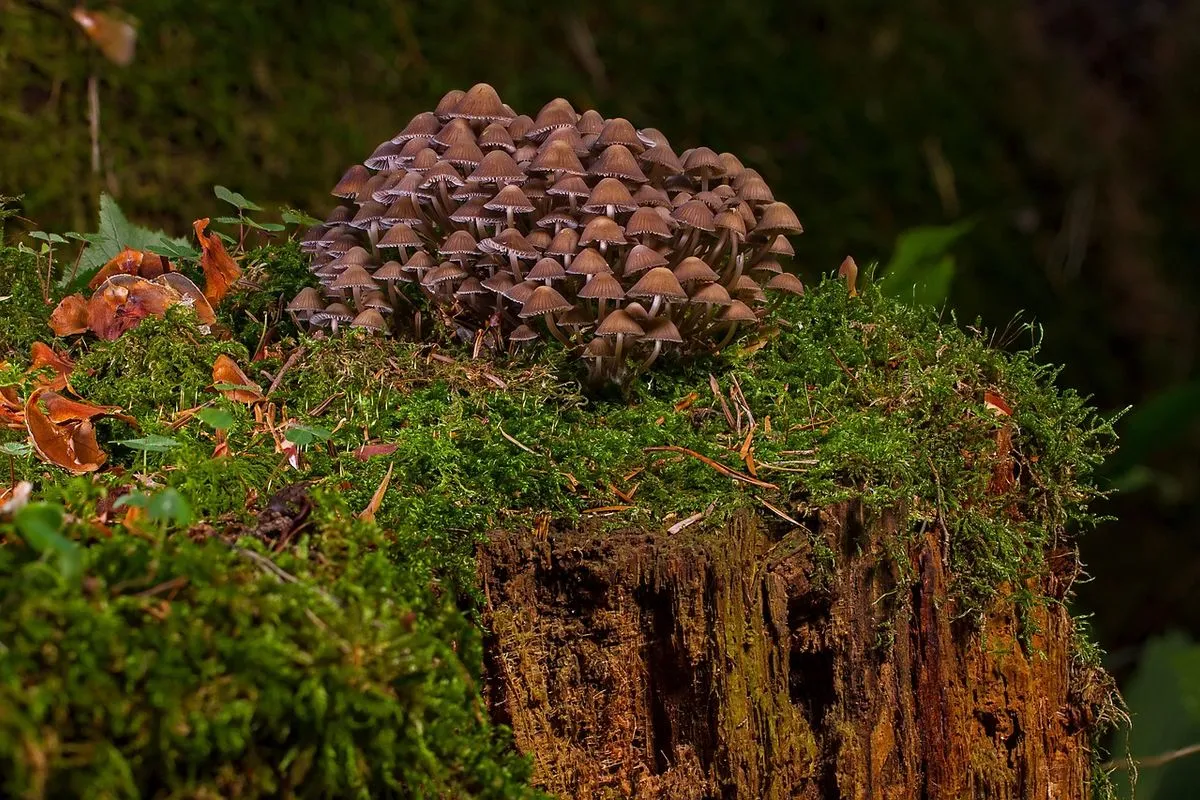
Wet rot includes many different species.One of the most common is a fungus called Coniophora Puteana or Cellar Fungus.This type of fungus takes refuge in very damp or moist areas within the property and weakens timber, leading to rot.There are 2 types of wet rot that can occur, brown rot and white rot.Both types can be equally as destructive to timber in different ways.
To solve issues with wet rot, it is important to first identify the source of moisture and stop the cause of the damp. Alternatively, you can isolate the timber from the damp source before treating the affected areas.
In some extreme cases you will need to replace the affected timbers. However, in most cases you can stop wet rot by treating the timber with a fungicide.
An outbreak of dry rot within a building can be perceived to be an extremely serious infestation that if left untreated requires drastic remedies to correct.Eventually the decay can cause instability and cause the structure to collapse.The term dry rot is misleading as both species of fungi serpula lacrymans and meruliporia require an elevated moisture to initiate an attack on timber (28-30%). Once established the fungi can remain active in timber with a moisture content of more than 20%.
Once established, the dry rot must be eradicated as quickly as possible to break the cycle.There are four main stages of the dry rot cycle:
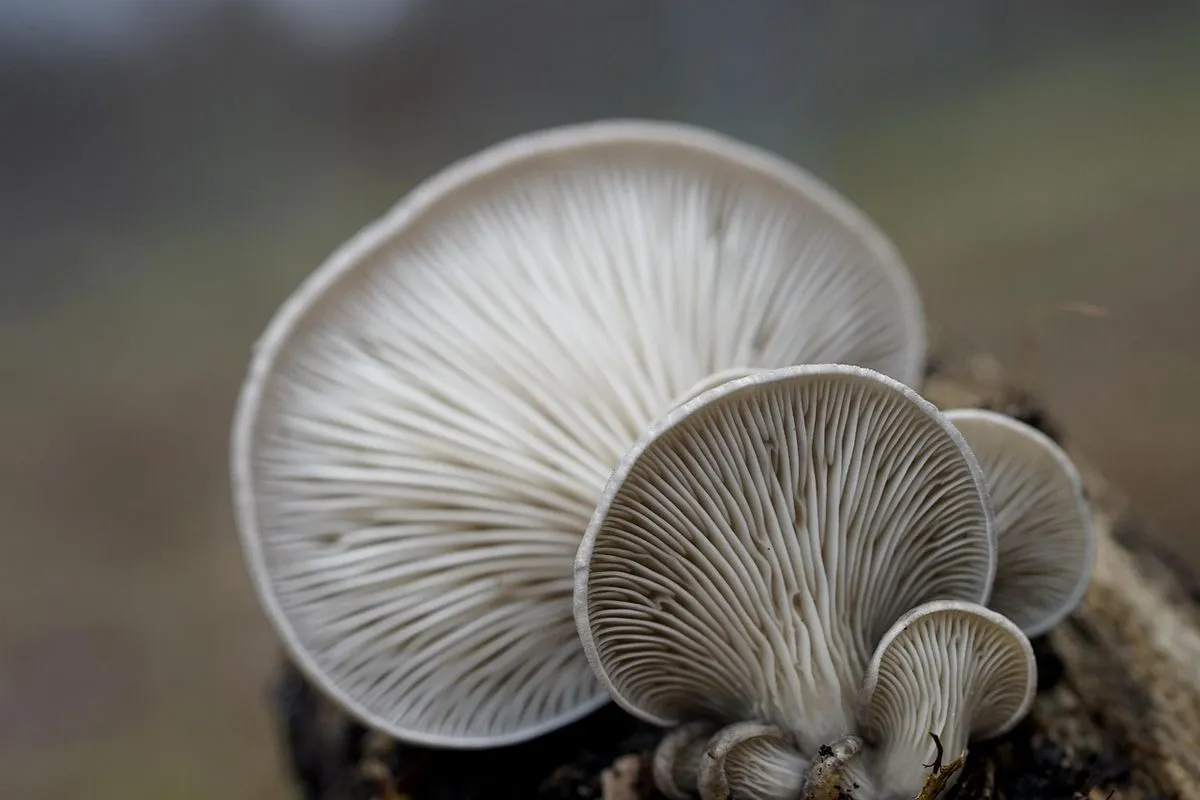
Typically, the best way to avoid dry rot is to keep the wood dry in the first place. By taking care of the areas in which water can soak into the wood, you can avoid the whole process to begin with.
The treatment of dry rot consists of discovering where the wood is being dampened with water and getting the water out of the wood. All affected material must be removed and replaced, and water must be prevented from dampening the wood again.

Payment plans are now available on all damp proofing work. If you would like more information on this, please contact us using the provided details in our website.


We are based in Ramsgate, Kent and provide our services across the following areas and beyond:
© Damptec Remedial 2015-2026 - All Rights Reserved | Registered In England & Wales